

Lending type
Commercial lending for the portfolio and the business
Offices, warehouses, shops, medical suites, hospitality venues and mixed use buildings. Commercial runs on different rules to residential: different lenders, usually bigger deposits, and loan terms tied to the lease.
How I can help
- The right loan. Full doc, lease doc, or a lender that reads your business on its turnover, not its profit.
- The right lender. I compare the majors with second and third tier lenders side by side, on cost and on how far your borrowing capacity stretches.
- The deposit. Commercial usually asks for more. If it’s coming from equity, I’ll work out which property to draw it from, and what that leaves for your next move.
- The whole portfolio. I work with your accountant and adviser so this asset fits the plan, not just the deal.
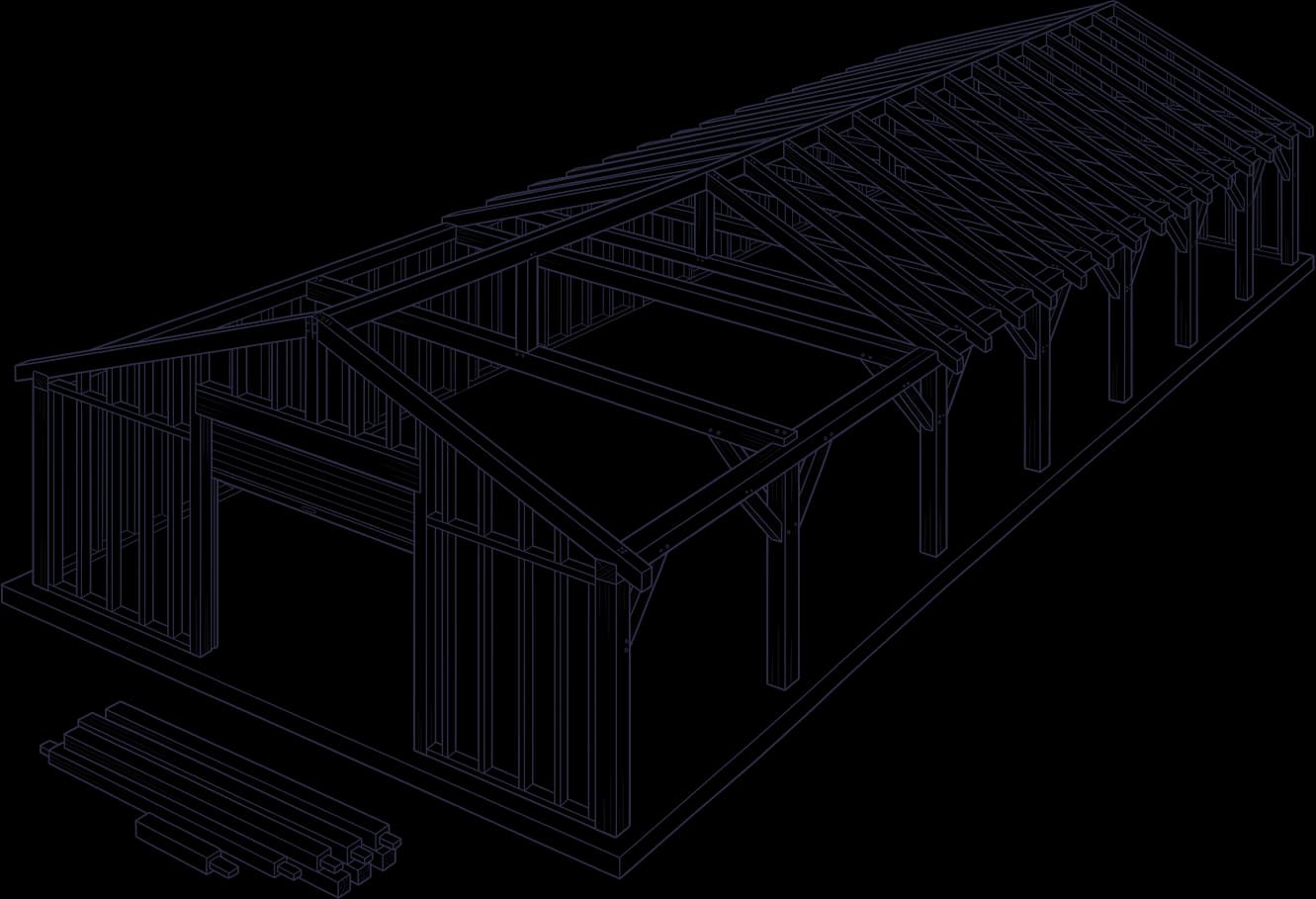

How commercial lending works
What is different
- Valuation sets the loan. Lenders use the lower of valuation and price.
- Generally a bigger deposit. Plus stamp duty, valuation and costs.
- Term follows the lease. Or the average lease left across all tenants.
- Interest only is common.
- No real pre-approval. Approval comes after a signed contract.
- Stress tested. Repayments are checked at a higher rate.
What the lender looks at
The lease, the tenant, any vacancy and the property type. Same price, very different loans.
Three ways lenders read the loan
- Full documentation. Your income and the property’s.
- Lease documentation. The rent and tenant only, not your income.
- Turnover. Revenue, not profit. Costs more, bigger deposit.
Owning your premises, and refinancing what you own
Buying your business premises
If owning your premises stacks up, I’ll work with your accountant on the right finance.
- Your own asset. Principal and interest repayments build your equity.
- No forced moves. No landlord selling up.
- No rent reviews. Your repayments replace the rent.
- Your fit out. Renovate on your timing.
- Equity for the next move. Fund expansion or another purchase.
Refinancing commercial you already own
- Yes, it can be refinanced. But only when the long term benefit outweighs the cost.
- Timing matters. A new lease or growth in value makes the valuation work for you.
- The whole picture. I review the lease, the loan and its effect on your portfolio.
More on refinance and portfolio review.

Commercial is usually bought in a trust, company or SMSF. See trust and company lending or SMSF lending. Buying residential? See residential lending.
Three ways to start.
Pick the level of commitment that suits where you are up to.
Not sure what a strategy call involves? How the strategy call works